
Upper abdominal ultrasound in Pozzallo
Upper abdominal ultrasound performed personally by the radiologist, by appointment, at the practice in Pozzallo (RG), Italy. Report and explanation at the end of the scan.
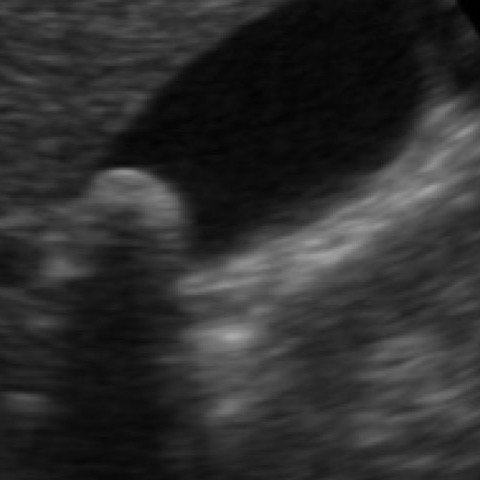
What it is for
Studies the liver, gallbladder, biliary tract, pancreas, spleen and kidneys. Indicated for pain in the upper quadrants, biliary colic, an enlarged liver or spleen, jaundice, abnormal transaminases, bilirubin, amylase/lipase or fever of unknown origin.
Why it is done
Useful if you have pain below the ribs, suspected gallbladder colic, fever with no clear cause, or abnormal liver or pancreas blood tests.
How it works
You lie on your back. Gel on the skin and the probe gliding over the upper abdomen. Sometimes you need to hold your breath for a few seconds.
What I check
We check the liver, gallbladder, biliary tract, pancreas, spleen and the upper part of the kidneys.
Is any preparation needed?
Yes: fasting for 6-8 hours is recommended, because a full stomach and bowel gas hide the liver, gallbladder and pancreas. You may drink water and take your usual medication. Bring any previous scans with you.
How much it costs
A single fee of €80 for every exam: includes the scan, the written report handed to you straight away and a spoken explanation. See fees
Frequently asked questions
Can gallstones be seen?
Yes. For cholelithiasis (stones in the gallbladder) ultrasound is the first-choice exam. Stones in the main bile duct (the common bile duct) are harder to see: if the suspicion remains, your doctor may recommend other tests.
My liver blood tests are abnormal: is the ultrasound useful?
Yes, abnormal liver function tests (transaminases, bilirubin) or pancreatic enzymes (amylase, lipase) are one of the indications. The liver, bile ducts and pancreas are assessed, for example for steatosis (fat in the liver) or dilated bile ducts. Your doctor interprets the result together with the blood tests.
How does it differ from a complete abdominal ultrasound?
The upper abdomen covers the liver, gallbladder, bile ducts, pancreas, spleen and kidneys. The complete abdomen also includes the bladder and, in men, the prostate with a suprapubic approach.
I have already had a CT or MRI scan: is the ultrasound still useful?
It depends on the clinical question. Ultrasound is often used for follow-up checks because it is quick and radiation-free. Bring the reports and images of previous exams with you: comparing them makes the ultrasound more useful.
Does abdominal ultrasound also show the stomach and bowel?
Only in part. The air inside the stomach and bowel blocks ultrasound, so these organs can only be assessed to a limited extent. To study them in depth your doctor may recommend other tests, such as gastroscopy or colonoscopy (tests using a flexible camera to look inside the stomach and bowel).
Does it hurt?
No, ultrasound does not hurt. It is a painless exam: the probe glides over the skin with a little gel. In some cases the pressure of the probe may cause slight discomfort, for example on an area that is already inflamed, on a very full bladder or on a painful joint. In rare situations, such as appendicitis, the scan may be more uncomfortable, but these cases are rare and the pressure is adapted to what you can tolerate. If you feel pain, tell me: we stop straight away.
How long does an upper abdominal ultrasound take?
About 15–20 minutes: the liver, gallbladder, bile ducts, pancreas, spleen and kidneys are examined.
Should I avoid creams or wear anything in particular?
Avoid creams or oils on your abdomen on the day of the scan and wear comfortable clothes that let you uncover your abdomen easily.
Related scans
See all the ultrasound scans available or read about the practice and contact details.
This information describes the scan in general terms and does not replace your doctor’s advice. To find out which exam suits your case, ask your doctor or contact me.
Would you like to book this scan?
Online in a few steps, or by phone. By appointment in Pozzallo (RG), Italy.
Book online